 Tecoma Primary School
Learn · Grow · Achieve
Tecoma Primary School
Learn · Grow · Achieve
Teaching that’s backed by evidence
Every teaching method we use is grounded in the Science of Learning — backed by research and proven to be effective, so every student can experience success.
Have you heard?
In June 2024, Victorian State Education Minister Ben Carroll announced a system-wide shift requiring all Victorian government schools to transition to structured phonics and explicit instruction from Prep to Grade 2 — with three years to make the change.
At Tecoma, we’re already there. Our philosophy is grounded in the Science of Learning — meaning every teaching method we use is backed by research and proven to be effective.
Explicit teaching is a systematic, engaging, and success-focused instructional approach. Rather than leaving students to discover or construct knowledge independently, teachers clearly explain and demonstrate new concepts, breaking complex ideas into manageable steps that build on one another. Research consistently shows that learning is most effective when instruction is clear, sequential, and purposefully guided.
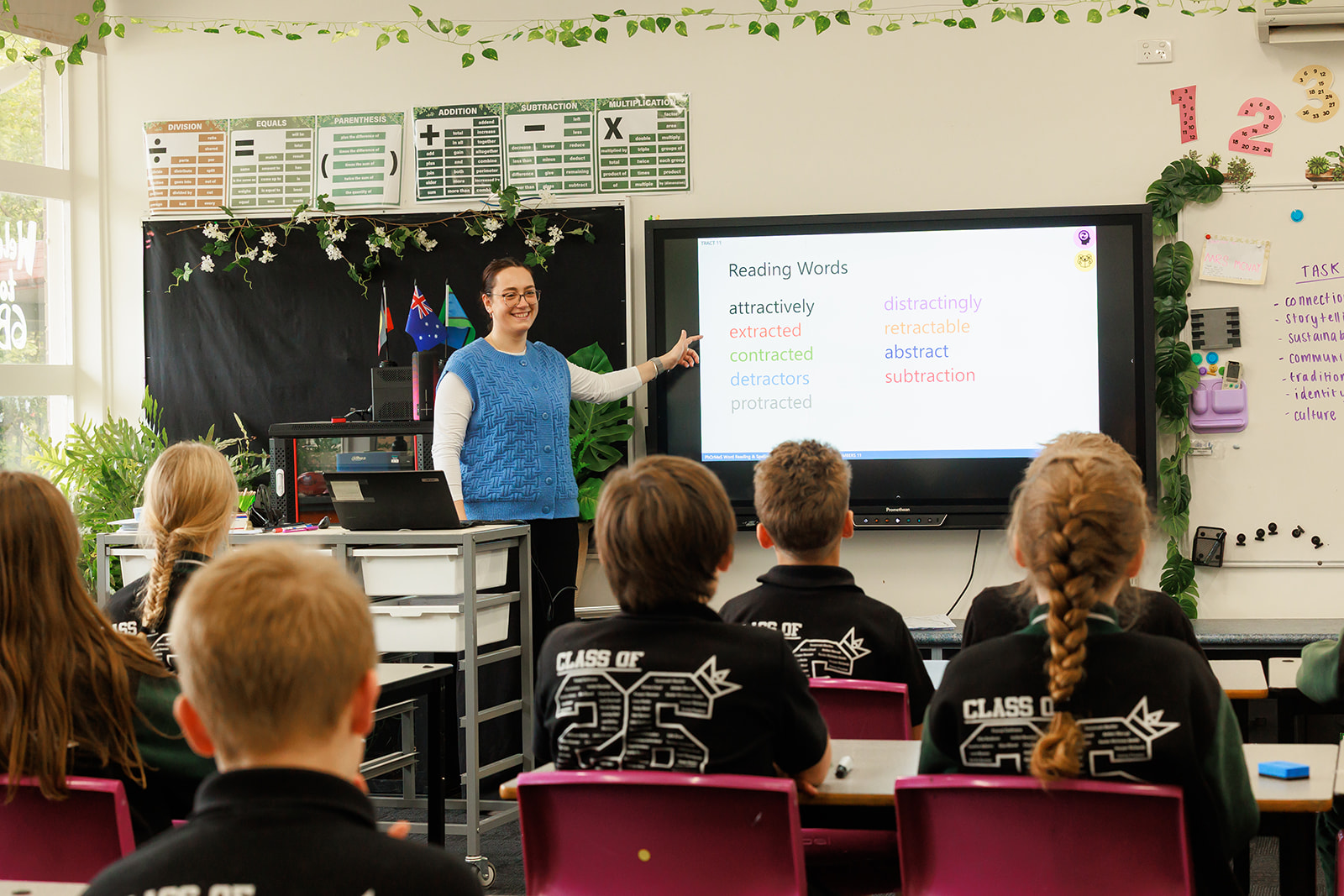
Crawl, walk, run. Learning any complex skill requires building from the ground up. Students learn individual letter sounds before decoding unfamiliar words, and master core number skills before applying them to measurement or statistics.
We prioritise a knowledge-rich curriculum, because a strong foundation of knowledge is what enables students to become confident critical thinkers and capable problem solvers. To deepen our understanding of how learning works, we draw on insights from education, linguistics, psychology, neuroscience, and cognitive science — allowing us to design learning sequences in which every student can experience success.
Learning to read, then reading to learn
English is taught in a knowledge-, language-, and text-rich environment, following Scarborough’s Reading Rope framework and the Big 6 of reading, moving from learning to read (Foundation–2) to reading to learn (Years 3–6).
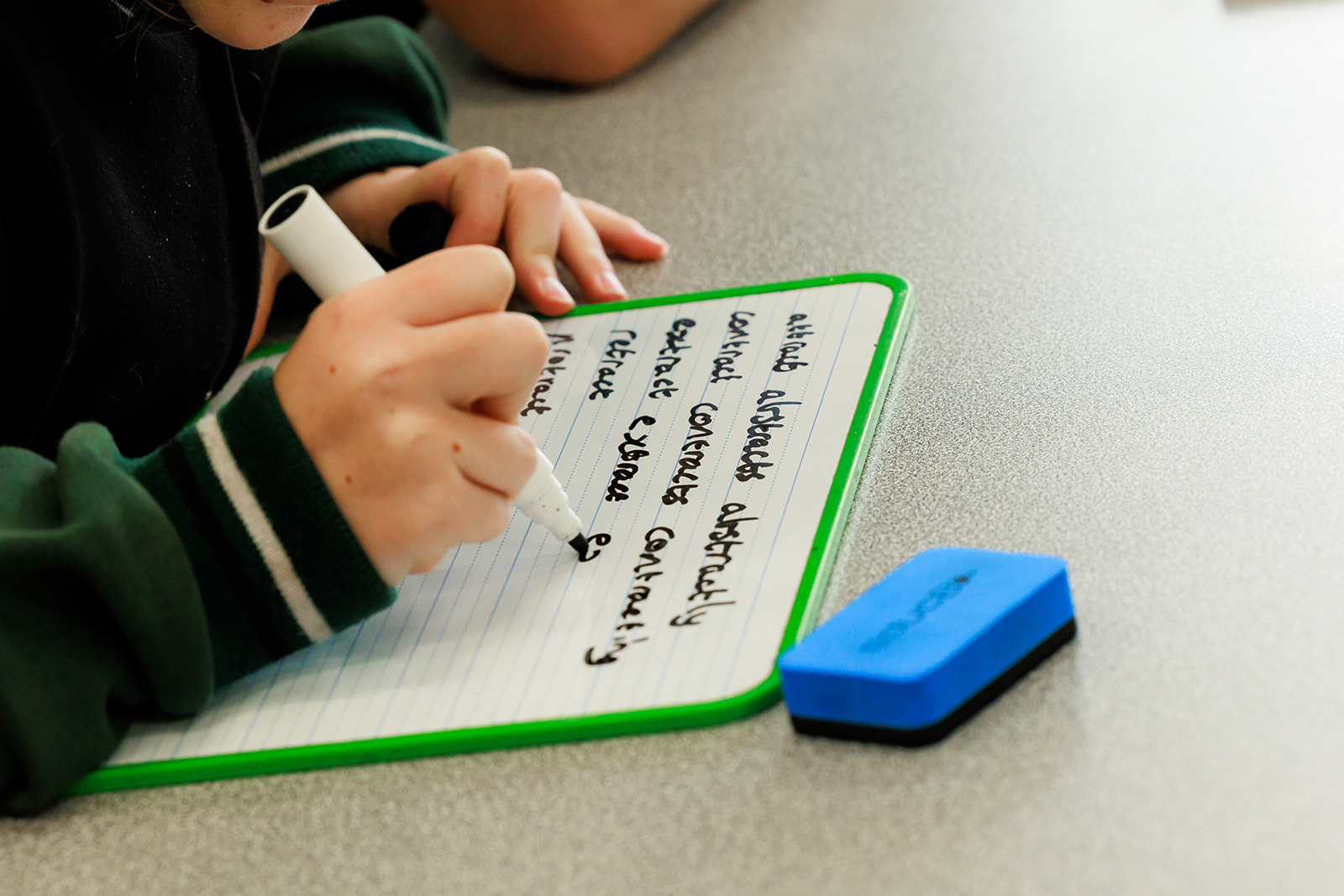
Because literacy forms an essential foundation for all learning, we place a strong focus in the early years on explicit, systematic instruction in core literacy skills: word-level reading and spelling, oral reading fluency, handwriting, sentence-level writing, and academic talk. As students progress through the year levels, they apply, develop and build on these essential skills in increasingly sophisticated ways.
Our approach reflects a simple but powerful equation from the research, known as the Simple View of Reading: word recognition multiplied by language comprehension equals reading comprehension. The key word is multiplied. If either part is weak, understanding suffers, so we teach both with equal care from day one.
Scarborough’s Reading Rope pictures how it all comes together. The word recognition strands (phonological awareness, decoding, and sight recognition of familiar words) become increasingly automatic with practice, while the language comprehension strands (background knowledge, vocabulary, language structures, verbal reasoning, and literacy knowledge) grow increasingly strategic. Woven together, they produce skilled reading: the fluent coordination of word recognition and language comprehension.
Day to day, this looks like the Big 6 of reading: oral language and early literacy experiences, phonological awareness, letter-sound knowledge (phonics), vocabulary, fluency, and comprehension. Each is taught explicitly and in a carefully planned sequence, from a child’s very first day of Foundation.
Instruction focuses on developing essential literacy skills, knowledge of reading and writing, knowledge for reading and writing, and building a love of learning, language, and literature.
The many strands that are woven into skilled reading (Scarborough, 2001).
Both skills matter: strong reading comprehension needs decoding and language comprehension (Gough & Tunmer, 1986).
Number sense and automaticity first
We support all students to achieve a high standard of proficiency in Mathematics. Number sense and automaticity are to maths what phonics and fluency are to reading.
Lessons are carefully planned and based on the Explicit Direct Instruction (EDI) model: teachers explain and model new concepts and skills before guiding students to practise them in an interactive and responsive environment.
The curriculum is designed to develop four interconnected proficiencies — understanding, fluency, reasoning and problem-solving.
Music is part of who we are
Every child from Prep to Grade 6 participates in a 45-minute Music lesson each week — playing percussion instruments, learning to read and write music, and appreciating different styles.
Our choir is open to students from Grades 3–6. We rehearse once a week and perform at concerts, retirement homes and school functions, singing a diverse range of songs and styles — often with movement added.
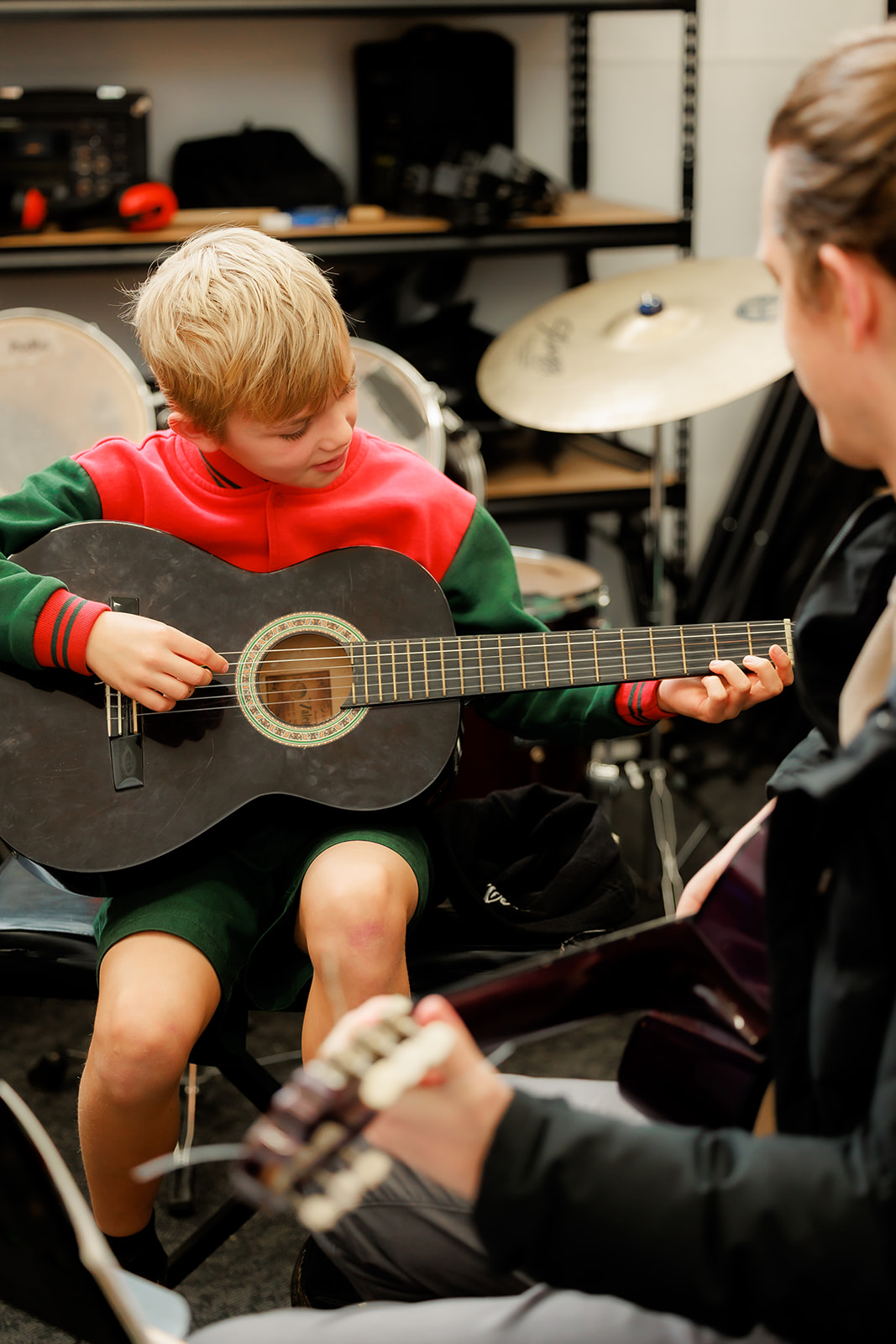
Our instrumental program offers piano, guitar, voice, drums, saxophone, clarinet, flute and violin. Lessons run during class time on a rotating timetable, and every six months we hold a music evening so students can perform for an audience.
The whole-school production. Every two years the school stages a production involving every child from Prep to Grade 6, with Grade 5/6 students auditioning for speaking and solo singing parts.
Imagination, experimentation, expression
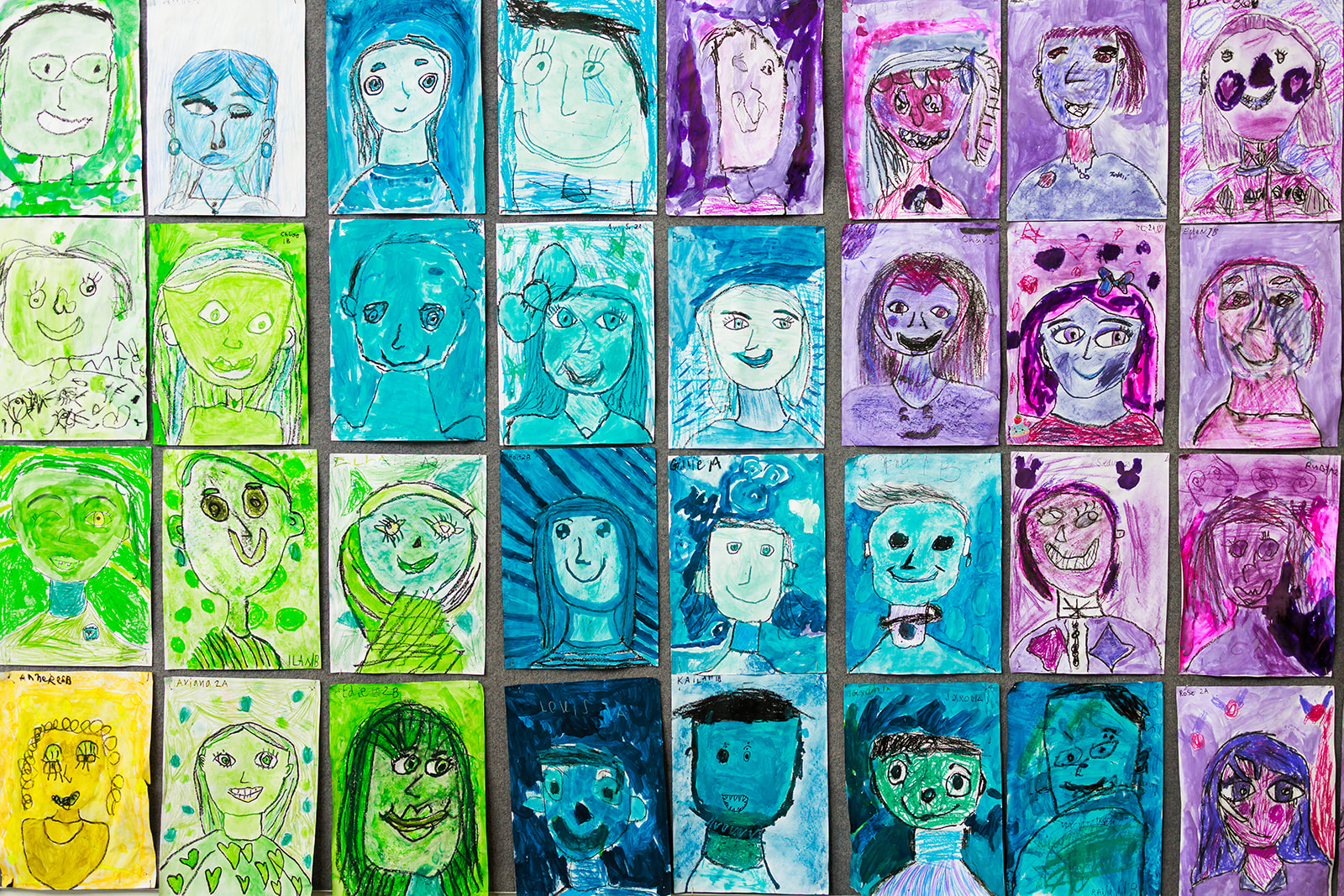
All students from Prep to Grade 6 participate in weekly one-hour specialist Art sessions with our dedicated Arts teacher.
Our program encourages imagination and experimentation. It focuses on teaching students the elements and conventions of art and promotes new skills and techniques using a variety of media. Students work both individually and collaboratively to produce a range of works — and are given real opportunities to develop their interests, skills and passions, and share them with the community.
Skills for life, from the very first bounce
All students from Prep to Grade 6 participate in a weekly one-hour PE session, in a supportive, development-based environment focused on participation, teamwork and lifelong physical activity.
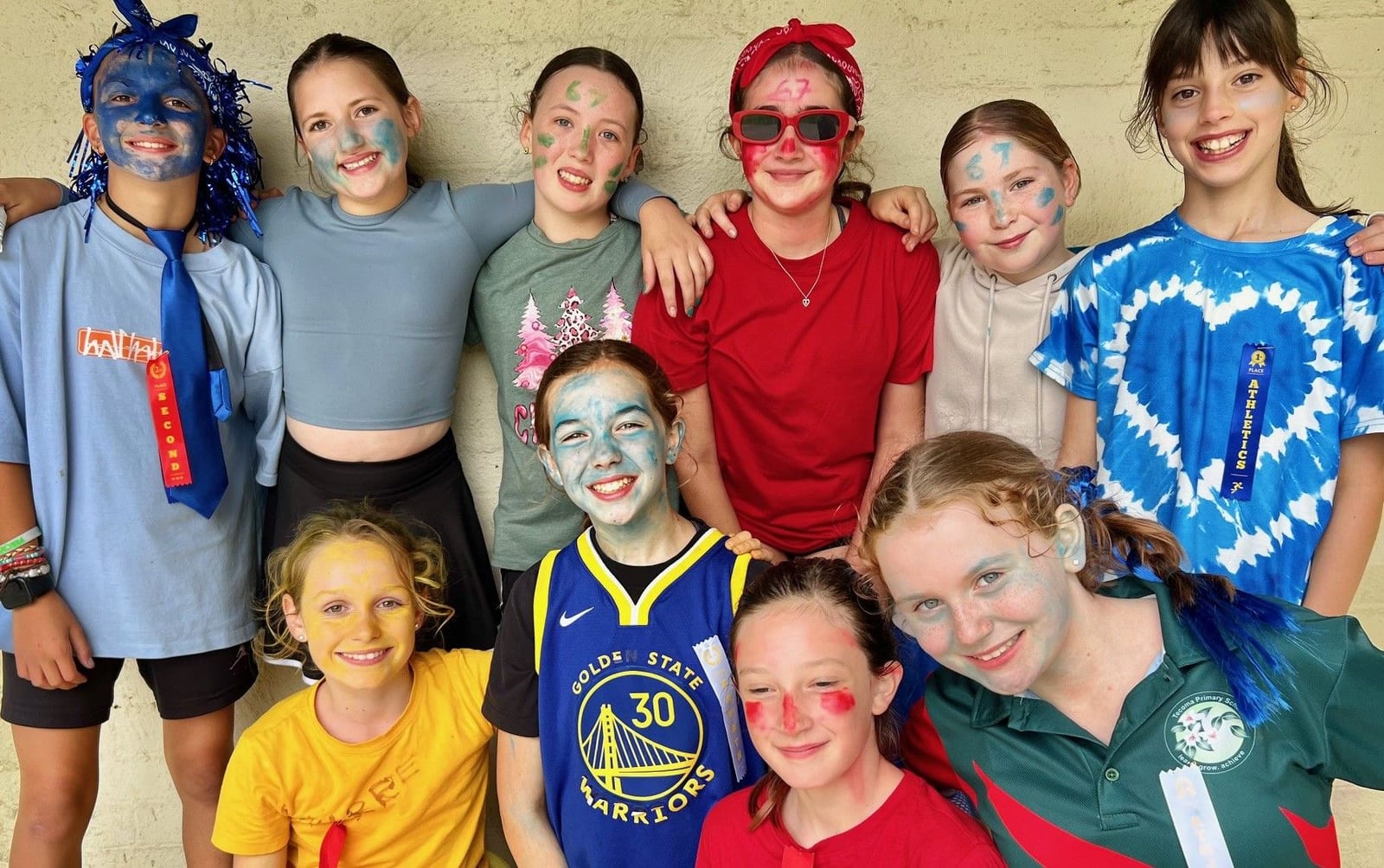
Whole-school inter-house cross country and athletics, inter-school athletics, cross country and swimming (Years 3–6), inter-school sports (Years 5–6), Footy Day and a term-long swimming program for every year level.
A long and proud tradition — students progress from Newcombe to Volleystars to full volleyball, with weekly lunchtime practice and coaching for Grade 5/6. Tecoma students have represented at district, divisional, regional, state and national level.
Grades 5 and 6 take part in bike education — safety skills, a practice ride to Belgrave, and the years-long tradition of the big ride to Knox City and back. Grade 5 students also ride at Lakewood Park Camp each year.
Years 3–6 students also have an additional sport session with their classroom teachers or as part of our leadership program, further developing major games skills through programs like S.E.P.E.P. (Years 3–4) and our Volleyball Program (Years 5–6).
Curious minds, global citizens
We equip students with the science knowledge and skills needed to participate fully in society. Scientific literacy matters not just for future scientists, but for everyone — to think critically about everyday issues like health policy or climate change.
Our rigorous Science curriculum builds a solid foundation across the biological, chemical, physical, Earth and space sciences. Students explore the history of Science as a discipline and the processes used for determining truth through the testing of hypotheses.
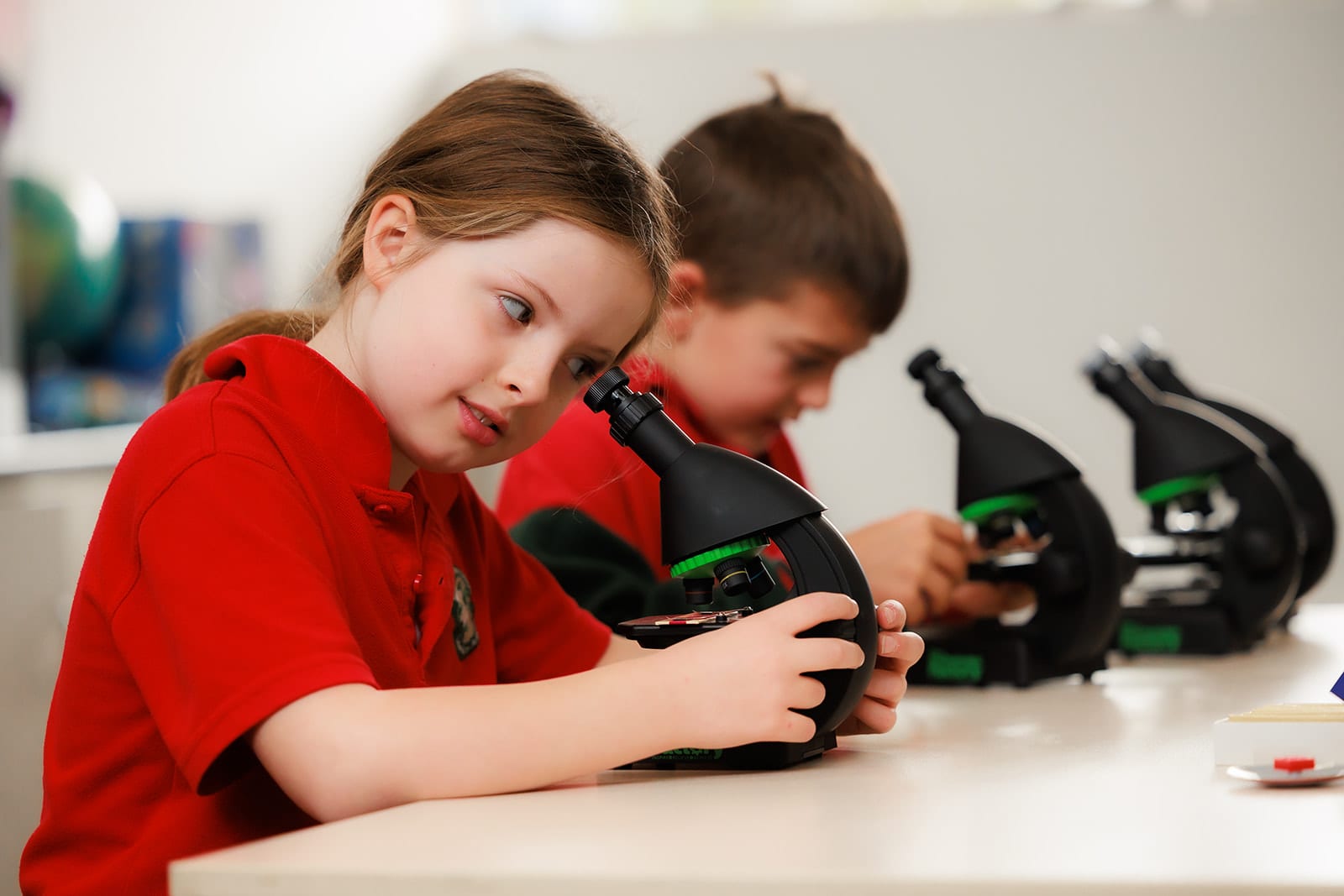
Students learn through hands-on experiences and observation — asking questions, gathering data and discussing findings — alongside rich non-fiction texts that bring coherence and order to their scientific knowledge.
Confident and careful in a digital world
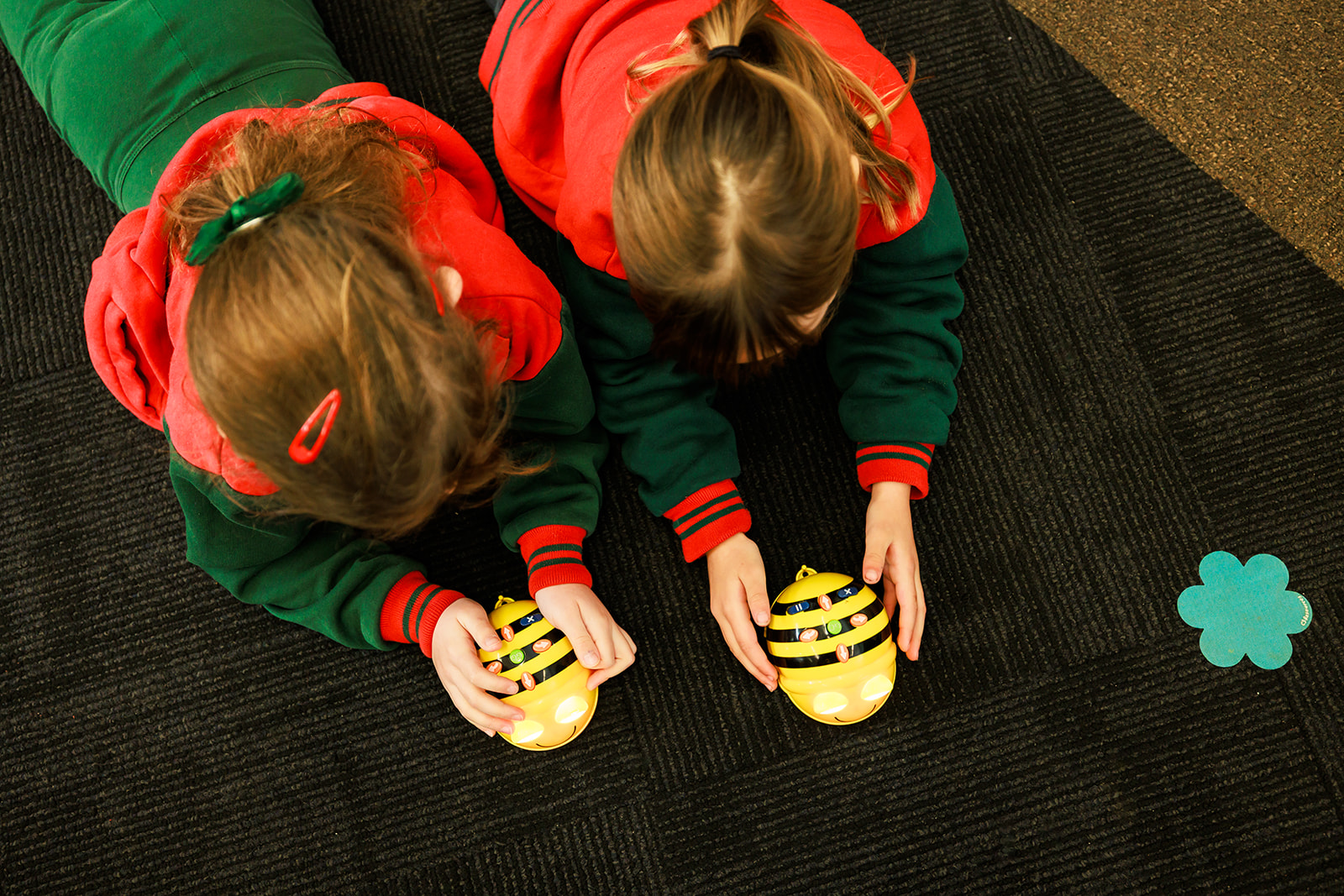
We provide all students with the knowledge and skills needed to maximise their learning with digital tools — used selectively and purposefully, including iPads and Chromebooks where appropriate for particular learning goals.
Just as importantly, we explicitly teach students how to navigate online environments with care and confidence, informed by the Resilience, Rights and Respectful Relationships program.
eSmart accredited. Tecoma Primary School is proud to have achieved eSmart status for safe and responsible technology use.
Growing greener, together
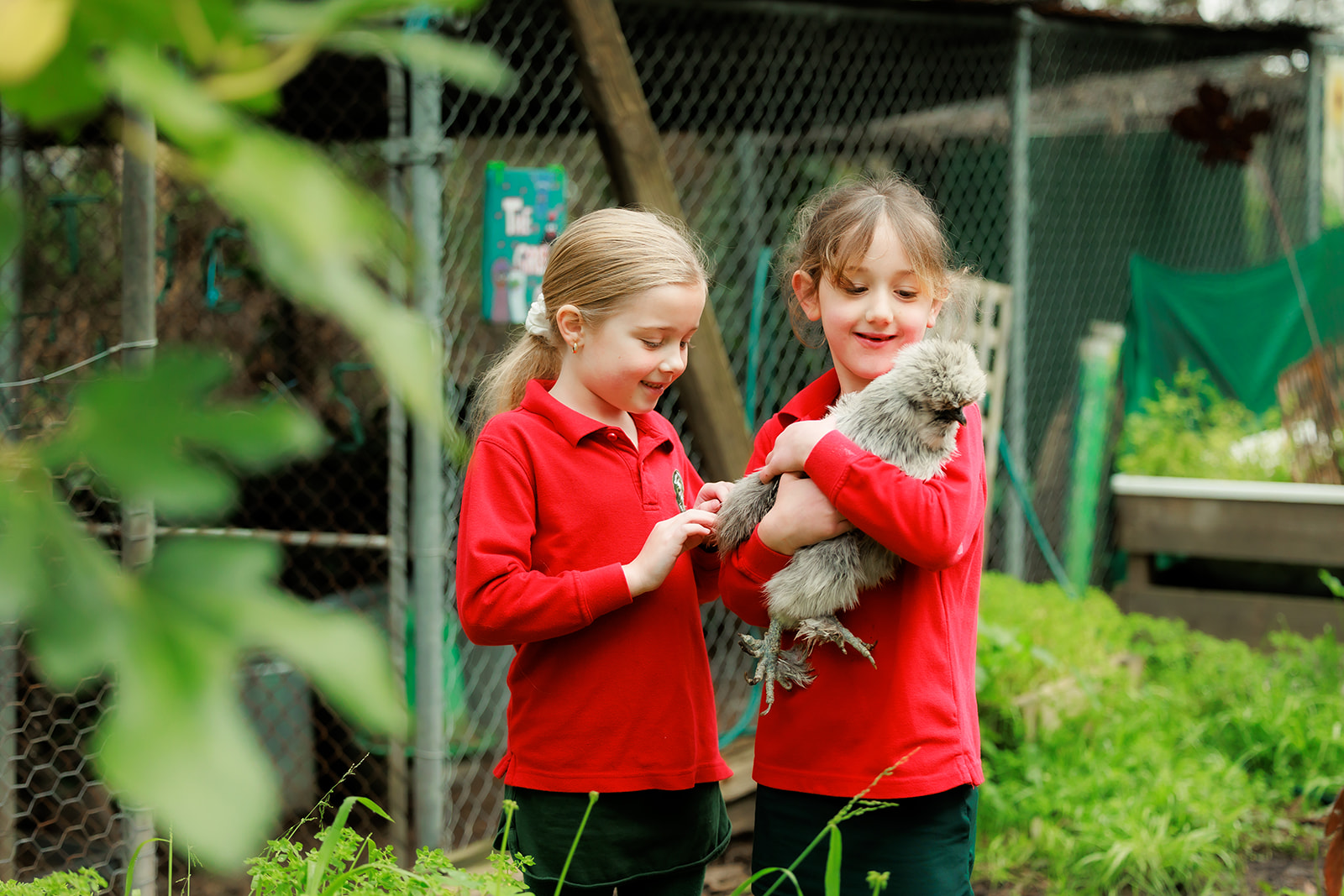
We are striving to inspire our whole school community to connect with the environment and make a positive contribution to sustainability at school, home and beyond — reducing our ecological footprint through sustainable everyday practices, improved biodiversity and exemplary resource reduction.
Our Sustainability Team is working towards accreditation as a 5-star ResourceSmart school. The ResourceSmart Schools program is endorsed by Sustainability Victoria and administered by EASL (Eastern Alliance for Sustainable Learning) — with stars earned through commitment to the program and measurable improvements in biodiversity, water, energy and waste.
Every student can lead
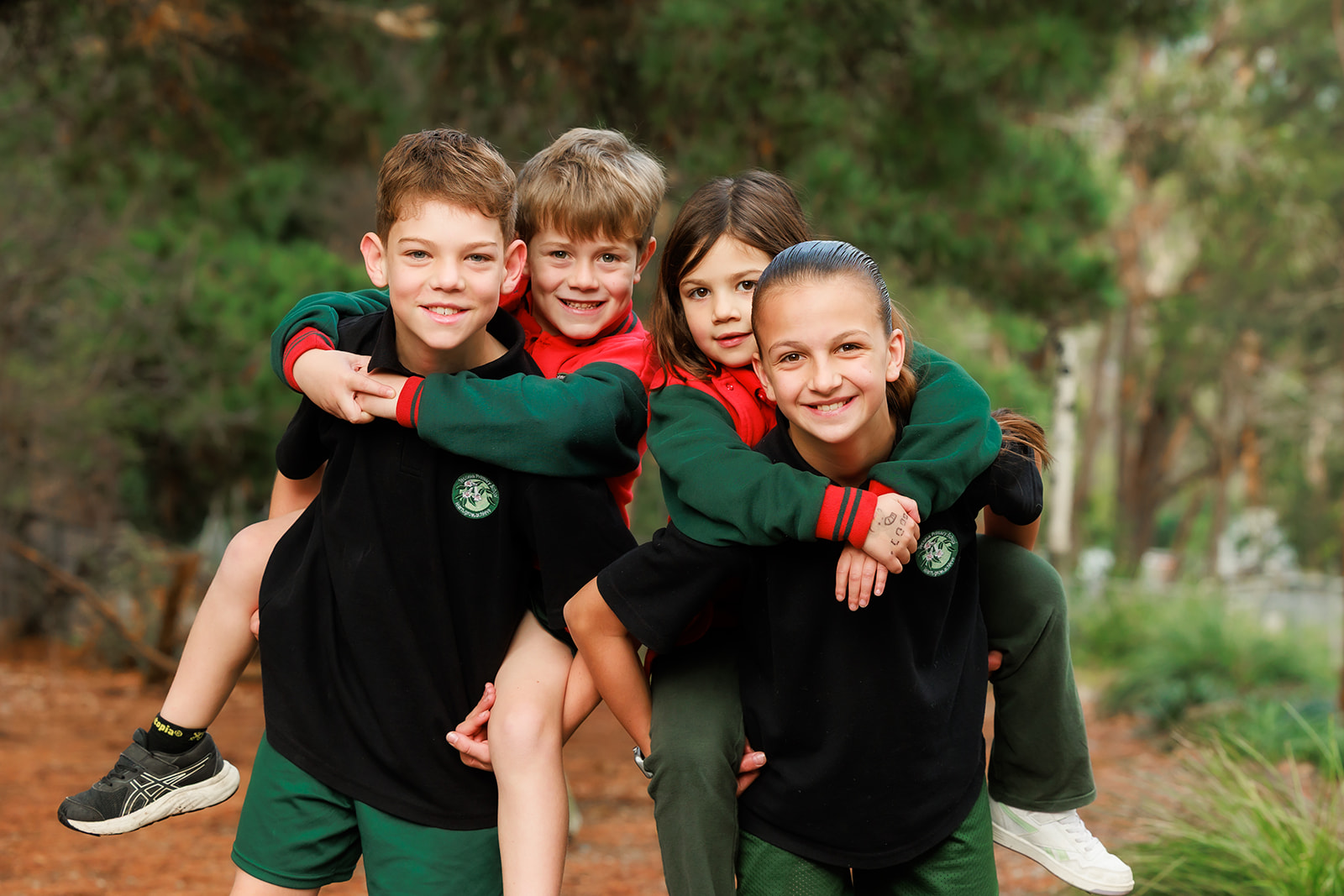
We offer all students the opportunity to become leaders, with many leadership positions available to develop their skills.
Our School Captains are selected by both students and staff — modelling the leadership attributes and values of the school. Captains develop an agenda and run our fortnightly Monday School Assembly, and represent the school at ceremonies and special occasions.
Stretching our high flyers
A dedicated enrichment teacher supports students working well above expected levels, and supports all teachers to cater to the needs of every child. Our extension program is reviewed each year so it responds effectively to the children involved.
Enrichment at Tecoma is not a single program but a whole-school mindset. Wherever a child shows readiness for more, we find ways to provide genuine challenge: state and national competitions, creative clubs, leadership responsibilities, performance opportunities and deeper investigations within the classroom. Just as importantly, extension is never a ceiling. As children grow, the opportunities grow with them, so high-flying students stay curious, motivated and connected to their peers.

The right support, at the right time
Our Multi-Tiered System of Supports (MTSS) is the framework that makes sure every child gets the right level of support at the right time, for both their learning and their wellbeing, so no one quietly falls behind.
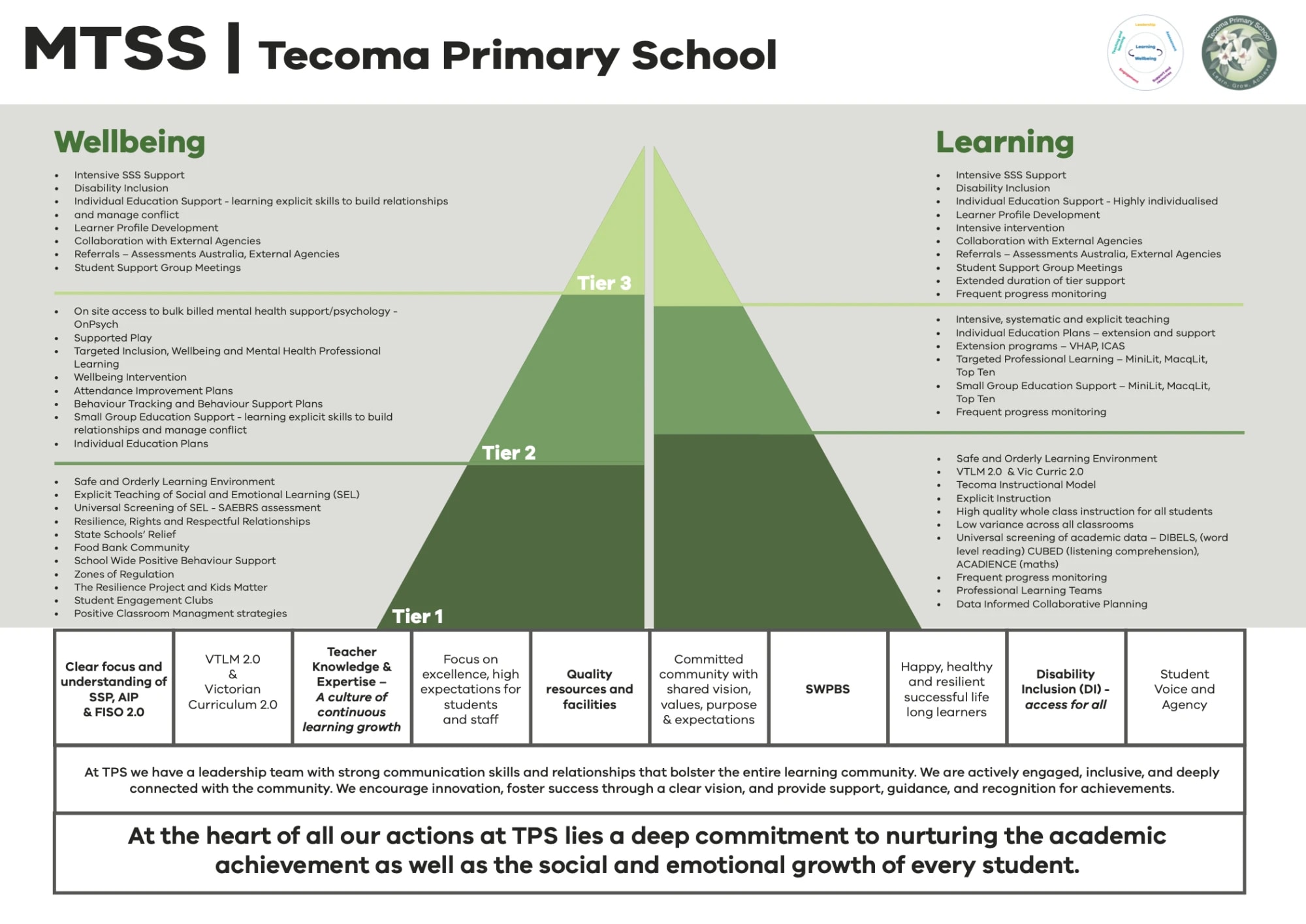
High-quality, explicit whole-class teaching through the Tecoma Instructional Model, with regular DIBELS and Acadience screening so progress is tracked, not assumed. On the wellbeing side: School-Wide Positive Behaviour Support, the Zones of Regulation, The Resilience Project and Respectful Relationships in every classroom.
Targeted small-group support using proven programs such as MiniLit, MacqLit and Top Ten, plus extension opportunities like VHAP and ICAS for students ready to stretch further. Wellbeing supports include on-site psychology through OnPsych, wellbeing check-ins, and attendance and behaviour support plans.
Intensive, individualised support: Individual Education Plans, Disability Inclusion support, personal Learner Profiles and Student Support Group meetings, planned hand in hand with families and external specialists. Never a permanent place, it is the most intensive help for as long as it is needed.
What holds it all together. Underneath the tiers sits a strong foundation: a connected leadership team, high expectations for every student, quality resources and facilities, skilled teachers committed to continuous growth, a shared vision with our community, and genuine student voice and agency. For the full picture in plain language, read our MTSS guide for families.
Book a tour and watch evidence-based teaching happen — you’ll see why our students love learning here.
Tecoma Primary School stands with gratitude and respect on Wurundjeri Country. We acknowledge the Wurundjeri People of the Kulin Nation as the Traditional Owners of the land where our children learn, grow and play beneath the mountain ash, and we pay our respects to Elders past, present and emerging. This land always was, and always will be, Aboriginal land.