 Tecoma Primary School
Learn · Grow · Achieve
Tecoma Primary School
Learn · Grow · Achieve
Wellbeing underpins learning
A safe and supportive school where all members feel a sense of belonging, are valued, respected and free from discrimination — because positive relationships are the key to everything.
The whole child, the whole school
The Wellbeing Team is committed to supporting students and families in developing their overall wellbeing. Tecoma Primary School provides an integrated and comprehensive whole-school approach that gives every student equitable opportunities to enhance their own — and others’ — resilience and wellbeing through their daily learning experiences.
This integrated approach strengthens each student’s personal, physical, cognitive, social and emotional development. All staff acknowledge the significance of resilience and wellbeing, and understand they are essential for both academic and social development.
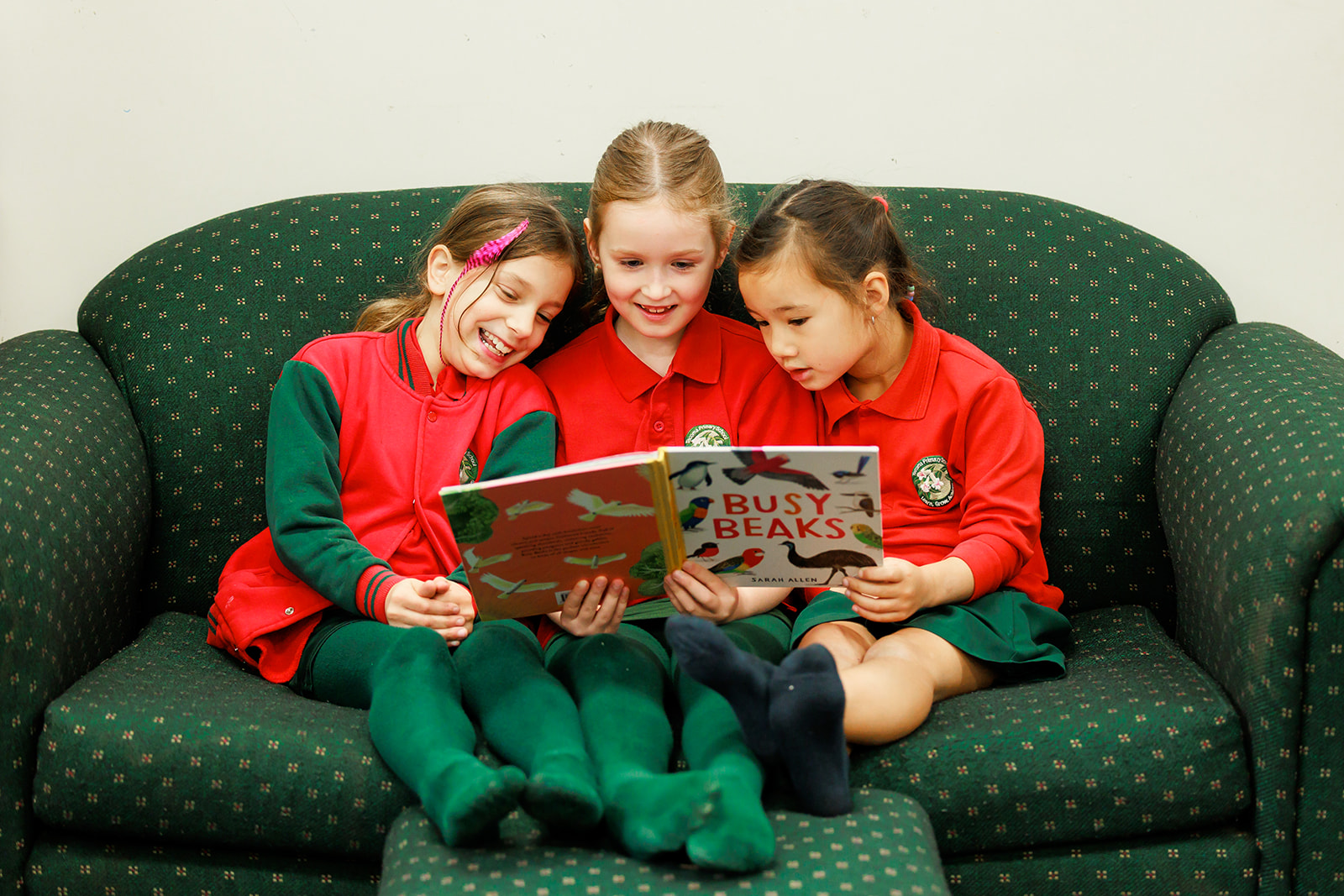
Positive relationships are regarded as the key to students feeling safe, valued and accepted. Staff work tirelessly to develop close, collaborative relationships among parents, students, staff and the broader community.
Committed to the safety and wellbeing of every child
This is the primary focus of our care and decision-making. Tecoma Primary School has zero tolerance for child abuse — all allegations and safety concerns are treated seriously and consistently within our policies and procedures.
Every person involved in the school has a responsibility to understand the important and specific role they play, individually and collectively, to ensure the wellbeing and safety of all children and young people is at the forefront of all they do and every decision they make.
We have legal and moral obligations to contact authorities when we are worried about a child’s safety, which we follow rigorously. We are committed to preventing child abuse, identifying risks early, and removing and reducing those risks.
Particular attention is paid to the safety, empowerment and participation of students from diverse backgrounds — including Aboriginal and Torres Strait Islander children, children from culturally and/or linguistically diverse backgrounds, and children with a disability and special needs.
We follow Departmental practices for recruitment of all staff and volunteers, and regularly train and educate staff, volunteers and visitors on child abuse risks.
Feedback welcome. As valuable partners in promoting and maintaining child safety and wellbeing at Tecoma Primary School, we welcome your feedback. If you have suggestions, comments or questions about our child safe policies and practices, please contact the Principal.

Establish a culturally safe environment in which the diverse and unique identities and experiences of Aboriginal children and young people are respected and valued.
Ensure that child safety and wellbeing are embedded in school leadership, governance and culture.
Children and young people are empowered about their rights, participate in decisions affecting them and are taken seriously.
Families and communities are informed and involved in promoting child safety and wellbeing.
Equity is upheld and diverse needs are respected in policy and practice.
People working with children and young people are suitable and supported to reflect child safety and wellbeing values in practice.
Ensure that processes for complaints and concerns are child focused.
Staff and volunteers are equipped with the knowledge, skills and awareness to keep children and young people safe through ongoing education and training.
Physical and online environments promote safety and wellbeing while minimising the opportunity for children and young people to be harmed.
Implementation of the Child Safe Standards is regularly reviewed and improved.
Policies and procedures document how the school is safe for children, young people and students.
Our full suite of child safety policies is listed under Policies & Reports.
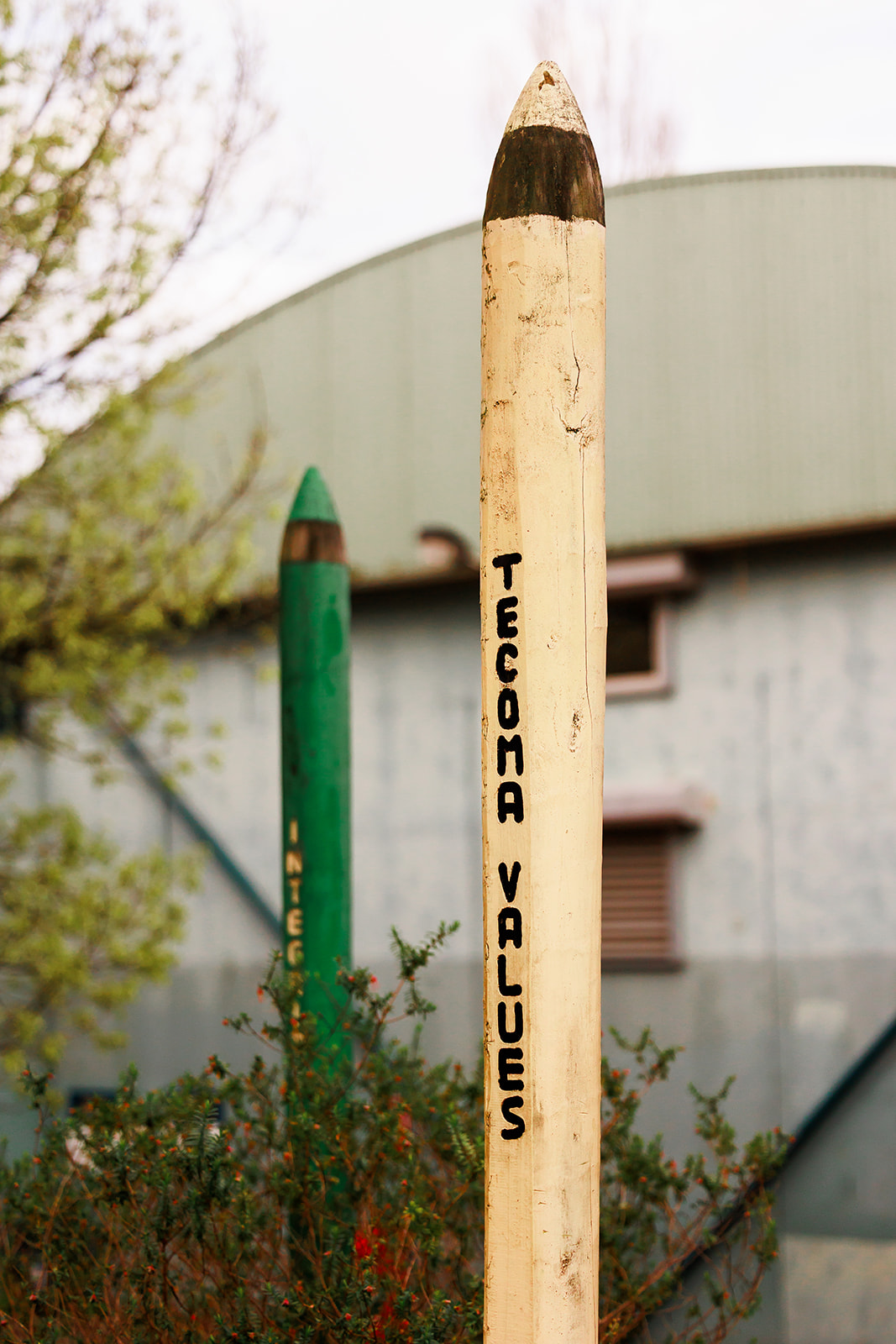
School Wide Positive Behaviour Support
Tecoma Primary School is implementing School Wide Positive Behaviour Support (SWPBS) — an evidence-based framework that creates a positive, predictable school environment by explicitly teaching, modelling and celebrating expected behaviours, consistent with our school values.
More details about our SWPBS journey will be shared here soon.
Woven into the heart of daily life
Respectful Relationships shapes how we teach, how we connect, and how we support every student to thrive. Our students develop the skills to build genuine friendships, understand and manage their emotions, and work through challenges in ways that are safe, kind, and constructive.
Through age-appropriate lessons, children explore emotional literacy, resilience, positive coping strategies, help-seeking, and how to navigate social situations with confidence and care.
Together, this work contributes to a whole-school culture where every child feels valued, safe, and genuinely connected — and where respectful behaviour isn’t just expected, it’s celebrated.

Learning comes to life through hands-on activities — role-plays, story-based discussions and collaborative games that help younger students practise empathy, turn-taking and early conflict-resolution in ways that feel natural and engaging.
Students build on these foundations with deeper exploration of gender equality, respectful communication, help-seeking, and what it means to stand up for and support those around them.
Our commitment to Reconciliation
Tecoma Primary School stands with gratitude and respect on Wurundjeri Country. The flags that fly at our school are more than symbols — they represent our collective commitment to Reconciliation.
They serve as a daily reminder of the rich histories of our First Nations people — histories that long predate colonisation, and that carry the enduring weight of its impact on Aboriginal and Torres Strait Islander people, their land, culture, families and identity.
Our students engage in learning that honours and celebrates the world’s oldest continuous cultures. Through Yarning circles, storytelling, art, environmental learning and sustainability programs, we nurture a deep and meaningful connection to Country. Our school song reflects our relationship with the land.
Indigenous perspectives are woven throughout our curriculum across all year levels. In specialist and classroom programs alike — including Art, Music, Physical Education, STEM and Japanese — we embed these perspectives in ways that are purposeful, respectful and authentic.
Our Marrung team plays a vital role in supporting Indigenous students with enriched learning opportunities, while the whole school community participates in key national and local events including Reconciliation Week and NAIDOC Week.
Together, we walk toward a future built on genuine understanding, inclusion and connection.

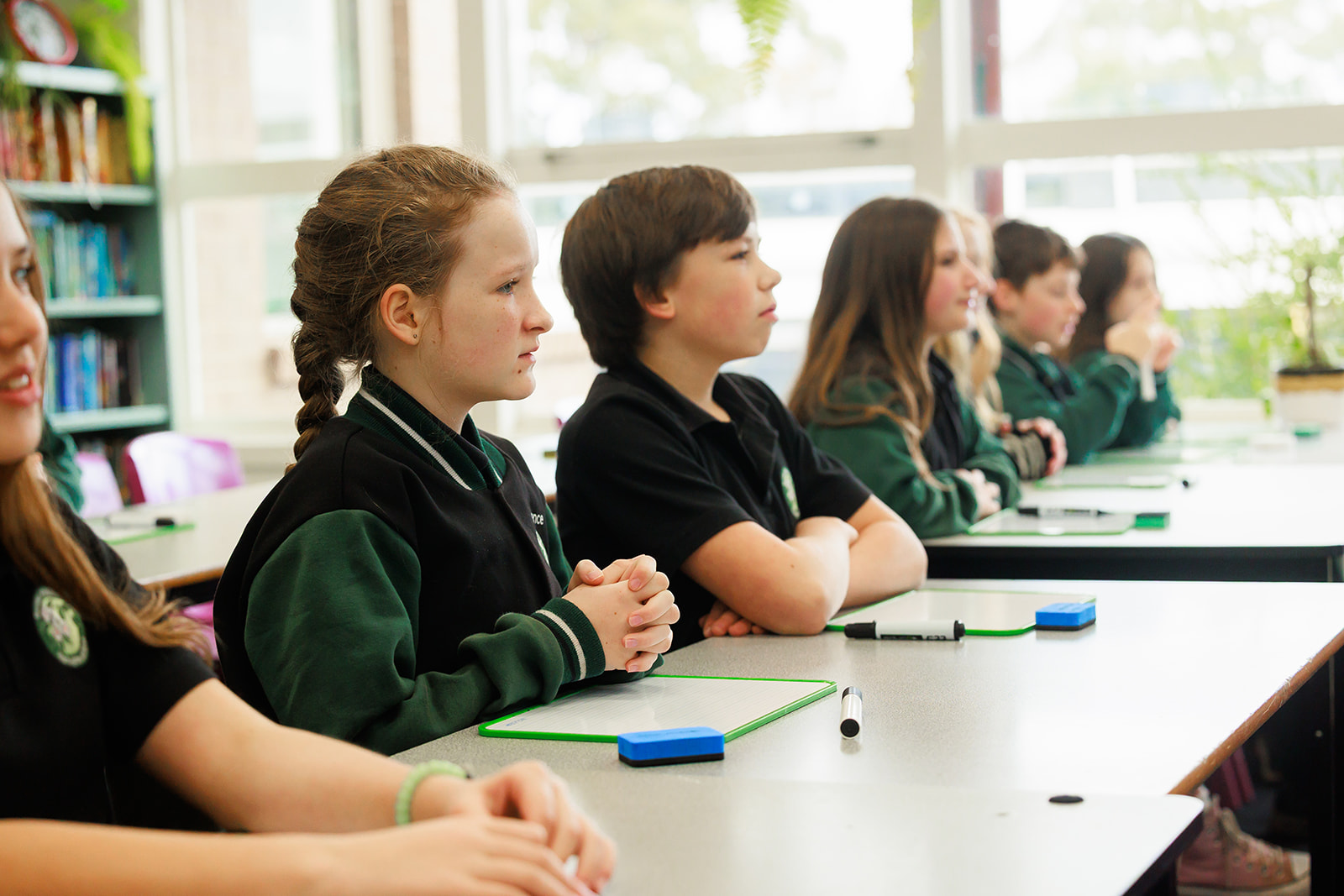
The Student Voice Team
The Student Voice Team (SVT) is a group of motivated students who meet regularly with a teacher to discuss new ideas, concerns, fundraising and community service — a forum where student voice is encouraged and respected.
At the beginning of each year, interested students in Grades 3–6 deliver a speech to their class, and classmates vote — two students from each class are elected. SVT members wear a badge signalling the important leadership role they hold.
Gratitude. Empathy. Mindfulness.
In 2025, we proudly relaunched The Resilience Project in all classrooms. Alongside Resilience, Rights and Respectful Relationships, it forms our school’s social and emotional wellbeing program.
The Resilience Project aims to equip our students with lifelong wellbeing habits, built on the GEM+EL Framework: Gratitude, Empathy and Mindfulness, plus Emotional Literacy.
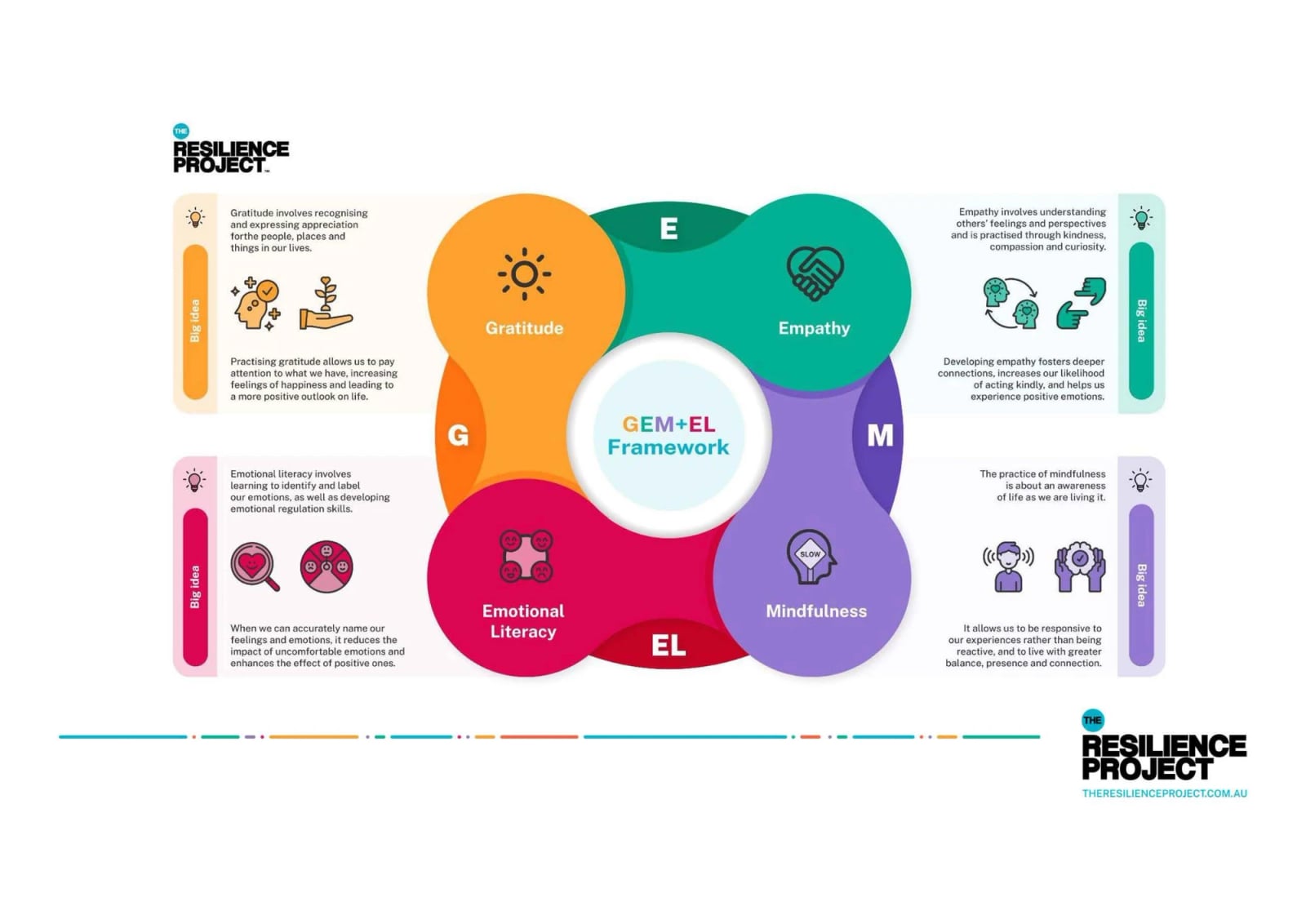
Paying attention to what we have, not what we are missing.
Understanding others’ feelings, practised through kindness.
An awareness of life as we are living it.
Naming our feelings so we can manage them.
There’s always something happening at lunch
Beyond the playgrounds, oval and sandpits, students can join structured lunchtime activities across the week.
Help is always at hand
Useful links to wellbeing information and support services for families:
Our Wellbeing Team and Student Services Team are here to help — reach out any time.
Tecoma Primary School stands with gratitude and respect on Wurundjeri Country. We acknowledge the Wurundjeri People of the Kulin Nation as the Traditional Owners of the land where our children learn, grow and play beneath the mountain ash, and we pay our respects to Elders past, present and emerging. This land always was, and always will be, Aboriginal land.